
Reclaimed Wood Box Beams: The Complete Guide
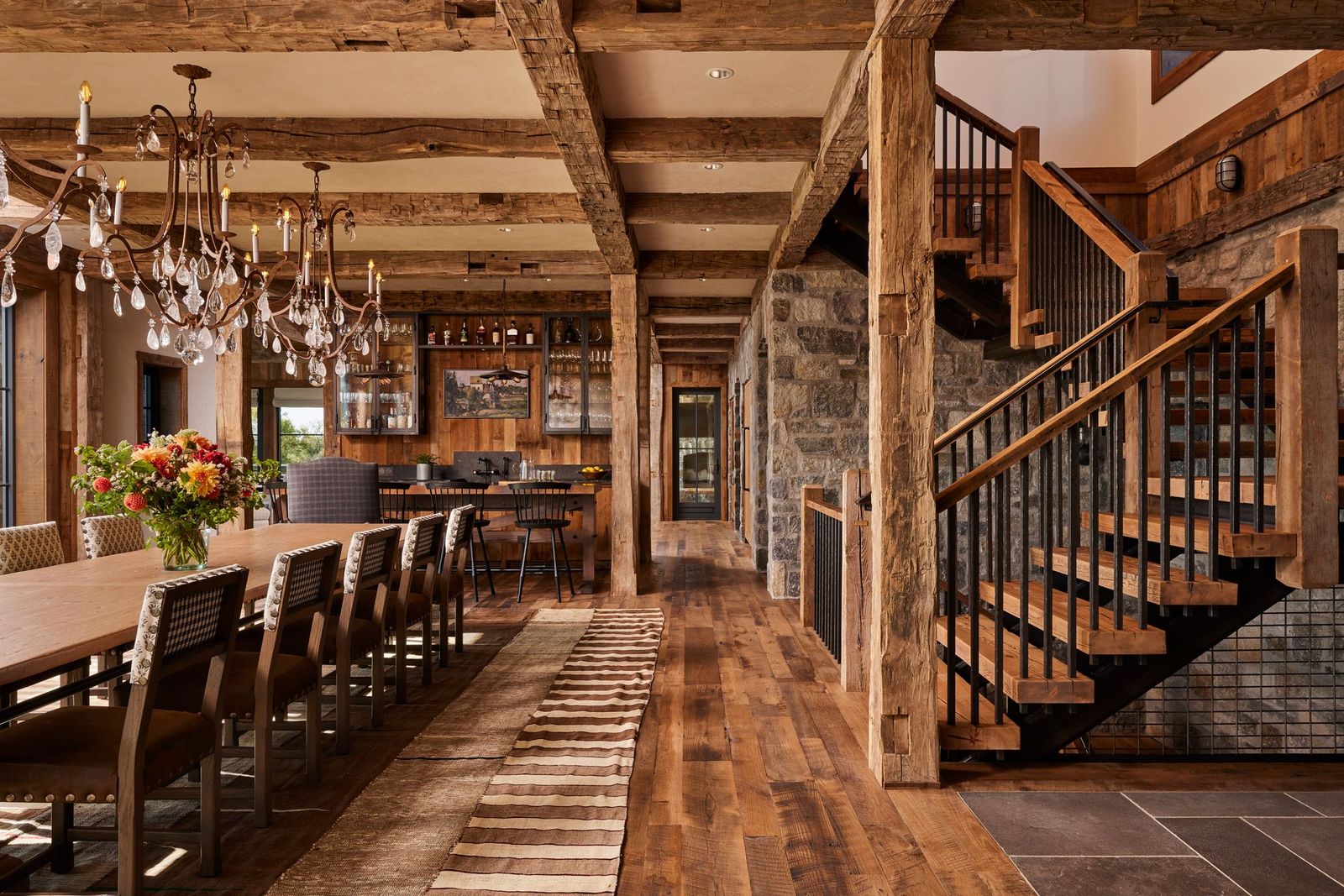
Few details transform a room like a ceiling full of character, and reclaimed wood box beams are the fastest way to get there. A box beam gives you the look of a massive, hand-hewn timber overhead — the warmth, the patina, the century-old story — without the weight, cost, or structural headache of a solid beam. That’s why builders, architects, designers, and homeowners reach
By Sarah Londerville | Updated September 16, 2026
Few details transform a room like a ceiling full of character, and reclaimed wood box beams are the fastest way to get there. A box beam gives you the look of a massive, hand-hewn timber overhead — the warmth, the patina, the century-old story — without the weight, cost, or structural headache of a solid beam. That’s why builders, architects, designers, and homeowners reach for them constantly, from great-room ceilings and kitchens to entryways and coffered layouts.
This guide covers everything you need to know about reclaimed wood box beams: what they actually are, how they compare to solid timbers and synthetic “faux” beams, the best ceiling design ideas, how to size and install them, what they cost, and how to order custom box beams milled to your space. Let’s build that ceiling.
What Is a Box Beam?
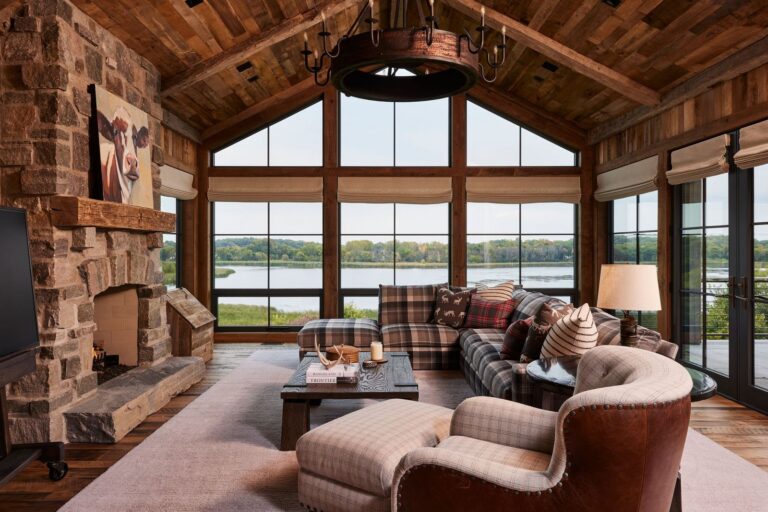
A box beam is a hollow, three-sided beam — think of a long U-shaped channel that wraps around and hides whatever it’s mounted to. Because it’s open on the back, a reclaimed wood box beam is lightweight and easy to install over an existing ceiling, a structural beam, a support post, or a simple wood cleat fastened to the joists. From below, no one can tell it’s hollow: they see three authentic reclaimed faces with real saw marks, checking, and patina.
That hollow construction is the whole advantage. A solid reclaimed timber of the same size can weigh hundreds of pounds and require serious structural mounting; a box beam delivers the identical look at a fraction of the weight and cost, and it can be built to almost any length. It’s the difference between admiring reclaimed beams in a magazine and actually getting them on your ceiling.
Box Beam vs. Solid Beam vs. Faux Beam
There are three ways to get that beamed-ceiling look, and it’s worth knowing the difference:
Reclaimed wood box beams (hollow, real wood). Authentic reclaimed faces on a hollow three-sided build. You get genuine old-growth character and history, light weight, easy install, and custom sizing. This is the sweet spot for most decorative ceiling projects.
Solid reclaimed timbers. A single massive beam of authentic reclaimed wood. Unbeatable when the beam is doing real structural work or when a client wants the real, solid thing — but heavy, pricier, and harder to hang. See our reclaimed timbers for structural and full-solid applications.
Faux beams (polyurethane/foam). Molded synthetic beams printed to imitate wood grain. Cheap and light, but up close they read as plastic — no real texture, no story, and they can look dated fast. If authenticity matters, real reclaimed wood wins every time.
For a decorative ceiling, reclaimed wood box beams give you the honest material of a solid timber with the practicality of a faux beam — the best of both.
| Reclaimed wood box beams | Solid reclaimed timbers | Faux (polyurethane) beams | |
|---|---|---|---|
| Material | Authentic reclaimed wood | Authentic reclaimed wood | Molded synthetic |
| Weight | Light (hollow) | Very heavy | Very light |
| Install | Easy — slips over a cleat | Structural mounting needed | Easy |
| Look up close | Real texture & patina | Real texture & patina | Reads as plastic |
| Custom sizing | Yes, built to order | Limited by beam stock | Limited to stock molds |
| Best for | Decorative ceilings | True structural spans | Tight budgets / rentals |
Reclaimed Wood Box Beam Ceiling Ideas
The beauty of box beams is how flexible the layout is. A few of the most popular reclaimed box beam ceiling ideas:
A single statement beam. One substantial box beam running the length of a great room or spanning a kitchen ceiling — simple, bold, and budget-friendly.
Parallel beams. Evenly spaced box beams marching across the ceiling give that classic timber-frame or lodge feel. Spacing is usually driven by room size and joist layout, commonly 3 to 6 feet apart.
Coffered and grid ceilings. Box beams running both directions create a coffered grid — elegant, architectural, and perfect for dining rooms, studies, and high-end ceilings.
Beams over a planked ceiling. Pair box beams with a reclaimed wood plank or tongue-and-groove ceiling for a fully finished, cohesive look. (More on that combination in our guide to pairing reclaimed paneling and box beams.)
Ridge and rafter looks. In vaulted ceilings, box beams follow the pitch — a ridge beam with angled rafter beams — for a dramatic, cathedral effect.
You can see reclaimed timbers and beams pulling a whole home together in our Hand Hewn lake-home project.
What Wood Is Used for Reclaimed Box Beams?
Because reclaimed wood box beams are built to order, you get to choose the species and character that fit your room. The most popular options:
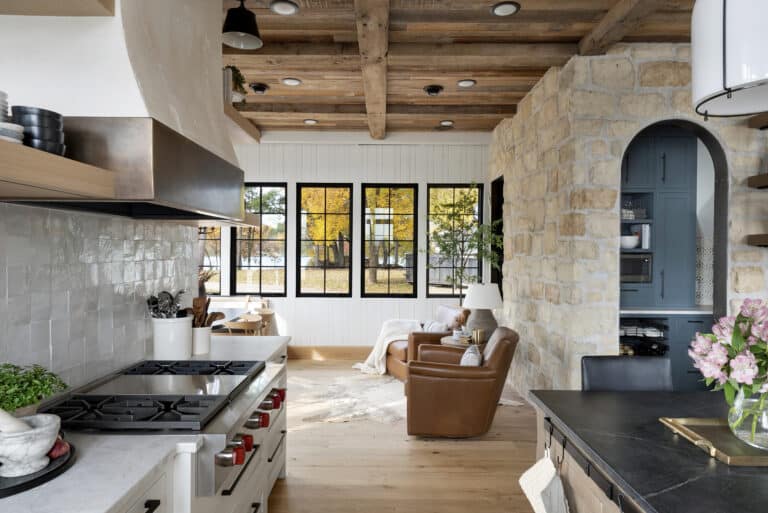
- Hand-hewn barn timber — squared by hand generations ago, with deep axe marks and heavy patina. The most dramatic, rustic reclaimed box beam face.
- Reclaimed oak — dense, grain-rich, and versatile; works in both traditional and modern ceilings.
- Reclaimed Douglas fir — warm amber tones and straight grain for a slightly cleaner, more contemporary box beam.
- Weathered gray barn board — silvery, aged character when you want the beams to feel light and driftwood-like.
- Rough-sawn reclaimed — a textured but more uniform face that reads modern-rustic.
You also choose the finish and texture — from a raw weathered face to a lightly sanded, sealed profile — and the face profile — chunky hand-hewn, crisp square edges for a modern look, or chamfered edges. The right combination is what makes a reclaimed box beam ceiling feel custom rather than catalog.
Where to Use Reclaimed Wood Box Beams
Box beams aren’t just for great rooms. Because they’re lightweight and custom-built, they work almost anywhere you want to add warmth overhead:
- Great rooms and living rooms — parallel beams or a coffered grid make the ceiling a focal point.
- Kitchens — a beam or two over an island or the whole kitchen ceiling adds instant character.
- Entryways and hallways — a single reclaimed box beam sets the tone the moment someone walks in.
- Primary bedrooms — beams over the bed define the space and add coziness.
- Vaulted and cathedral ceilings — ridge and rafter beams follow the pitch for a dramatic, lodge-like effect.
- Covered porches and outdoor rooms — with the right species and finish, reclaimed box beams extend the look outside.
How to Size and Lay Out Box Beams
Getting the proportions right keeps a beamed ceiling from looking too heavy or too flimsy. General guidance:
Beam dimensions. Decorative box beams commonly run 6 to 10 inches wide and 4 to 8 inches deep, but because they’re built to order, the size should be scaled to the room — larger great rooms and vaulted ceilings carry bigger beams; a standard 8- to 9-foot ceiling looks best with more modest ones.
Spacing. Parallel beams are typically spaced 3 to 6 feet on center, depending on room dimensions and the look you want. Tighter spacing reads more traditional and dramatic; wider spacing feels lighter and more modern.
Length. Box beams can be built in long single runs or seamed with matching joinery for very long spans — one of the big advantages over solid timbers.
Ceiling height matters. On lower ceilings, keep beams shallower so you don’t lose head height or make the room feel closed in. Vaulted and tall ceilings can handle deeper, more substantial beams.
The best approach is to have your supplier build the beams to your exact ceiling plan, so the sizing, spacing, and species all work together.
How Reclaimed Box Beams Install
This is where box beams shine. The typical process: a carpenter fastens a wood cleat (a 2x nailer) to the ceiling joists along each beam line, then slips the three-sided box beam over the cleat and fastens it from the sides or with hidden fasteners. Because the beam is hollow and lightweight, it can go up quickly, and it can also be used to conceal a real support beam, a bulkhead, wiring, or duct chases.
For most decorative installs it’s a straightforward finish-carpentry job — no cranes, no structural engineering. If your beams are hiding or dressing a load-bearing element, coordinate with your builder so the structural member does its job and the box beam simply wraps it.
What Do Reclaimed Wood Box Beams Cost?
Reclaimed wood box beams are priced per project rather than off a fixed price list, because every order is custom-built to your ceiling. Instead of a set number, it’s more useful to understand what drives the cost so you can budget and compare quotes:
- Species and character — hand-hewn and rare reclaimed species cost more than more common rough-sawn stock.
- Size — wider, deeper, and longer beams use more material.
- Finish and texture — a raw weathered face versus a sanded, sealed, or custom-profiled beam.
- Layout complexity — a single accent beam is far simpler than a full coffered grid.
- Quantity and installation — total linear footage, plus your carpenter’s labor, which is separate from the material.
Because pricing swings with all of these, the best move is to send your ceiling dimensions and the look you’re after and get a written, itemized quote. Request a quote from Manomin Resawn Timbers for pricing on your exact beams.
Order Custom Reclaimed Wood Box Beams from Manomin
Box beams are one of our core products at Manomin Resawn Timbers. Every beam is built from authentic reclaimed wood — salvaged from barns and industrial buildings dating back to the 1820s through the turn of the century — which we de-nail, kiln-dry, and mill in-house at our shop in Hugo, Minnesota. We build your box beams to the exact width, depth, and length your ceiling calls for, in the species, texture, and finish that fit your design, from rugged hand-hewn faces to clean rough-sawn or smooth profiles.
As Minnesota’s reclaimed wood experts — FSC-certified, with 13 consecutive Best of Houzz awards — we build box beams for homeowners, builders, architects, and designers on everything from a single accent beam to a full coffered ceiling, and we coordinate them with matching reclaimed flooring, paneling, and fireplace mantels so the whole room ties together. We ship nationwide, and local clients are welcome at the showroom.
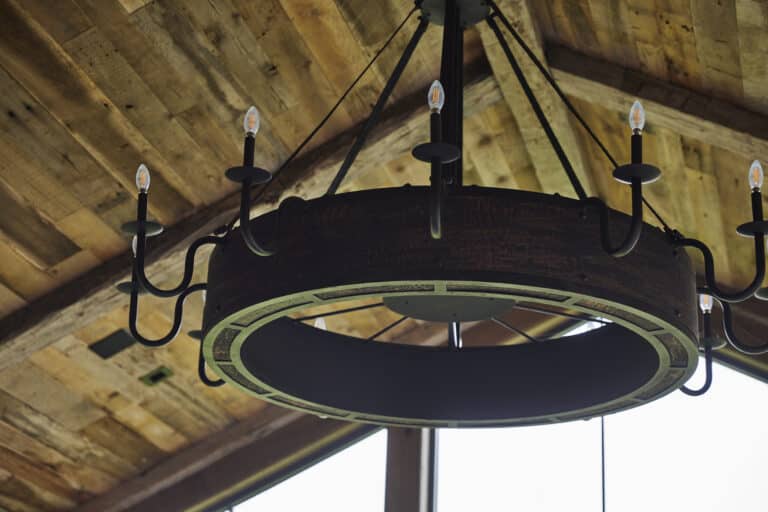
Ready to beam your ceiling? Explore reclaimed wood box beams and request a quote at mrtimbers.com, or visit the Hugo showroom to see and feel the material.
Frequently Asked Questions
What is a reclaimed wood box beam? A reclaimed wood box beam is a hollow, three-sided beam built from authentic reclaimed wood. It wraps over a cleat, an existing beam, or a support post, giving the full look of a solid timber ceiling beam while staying lightweight and easy to install.
Are box beams cheaper than solid beams? Usually, yes. Because a box beam is hollow, it uses less material and is far lighter and easier to install than a solid reclaimed timber of the same size — so it typically costs less overall while looking identical from below.
Can box beams be structural? Box beams are decorative — they don’t carry load themselves. However, they’re often used to wrap and conceal a real structural beam or post, so the structural member does the work while the reclaimed box beam provides the finished look. Coordinate any load-bearing element with your builder.
How far apart should ceiling box beams be spaced? Parallel box beams are commonly spaced 3 to 6 feet on center, depending on room size and the look you want. Tighter spacing feels more traditional; wider spacing feels lighter and more modern.
How are box beams installed? A carpenter fastens a wood cleat to the ceiling joists along each beam line, then slips the three-sided box beam over the cleat and secures it. It’s a finish-carpentry job for most decorative installs — no structural engineering required unless the beam is wrapping a load-bearing member.
How much do reclaimed wood box beams cost? Reclaimed wood box beams are custom-quoted rather than sold at a fixed price. The cost depends on the species and character of the wood, the beam size, the finish, how complex the layout is (a single beam vs. a coffered grid), the total linear footage, and installation. Send your ceiling dimensions and the look you want for a written, itemized quote.
Are reclaimed box beams better than faux (polyurethane) beams? For authenticity, yes. Faux beams are molded synthetic that imitates wood grain but reads as plastic up close, with no real texture or history. Reclaimed wood box beams are genuine old-growth material with true character — the honest look, still lightweight and easy to install.
What wood is used for reclaimed box beams? Reclaimed box beams are commonly built from hand-hewn barn timber, reclaimed oak, reclaimed Douglas fir, weathered gray barn board, or rough-sawn reclaimed wood — all salvaged from old barns and buildings. Because they’re made to order, you choose the species, texture, and finish to fit your ceiling.
Can you put box beams on a flat ceiling? Yes. Reclaimed wood box beams work on flat, standard-height ceilings as well as vaulted ones — a carpenter fastens cleats to the joists and slips the beams over them. On lower ceilings, keep the beams a bit shallower so you don’t lose head height.
Do reclaimed wood box beams add value to a home? Authentic reclaimed wood is a sought-after, high-end finish, and a well-designed beamed ceiling is a strong selling feature in custom and luxury homes. Because reclaimed box beams use genuine old-growth material with real character, they read as a premium architectural detail rather than a builder-grade upgrade.
Manomin Resawn Timbers is a woman-owned, family-run reclaimed wood company in Hugo, MN, crafting reclaimed flooring, paneling, cladding, timbers, box beams, and hand-hewn mantels for homeowners, builders, architects, and designers nationwide. FSC Certified · 13× Best of Houzz. Visit mrtimbers.com.
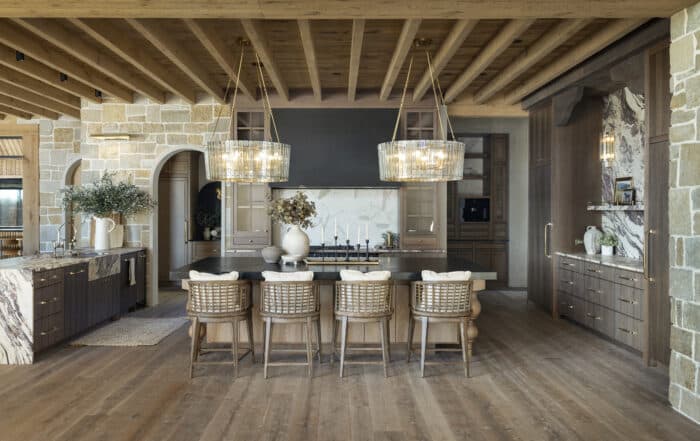
Reclaimed Wood Paneling and Box Beams: The Perfect Ceiling Combo
Individually, they’re beautiful. Together, they’re unforgettable. Reclaimed wood paneling and box beamscombine into what might be the single most impactful ceiling you can build — a fully clad, timber-crossed expanse of authentic old-growth wood that turns an ordinary room into the kind of space people stop and look up in. […]
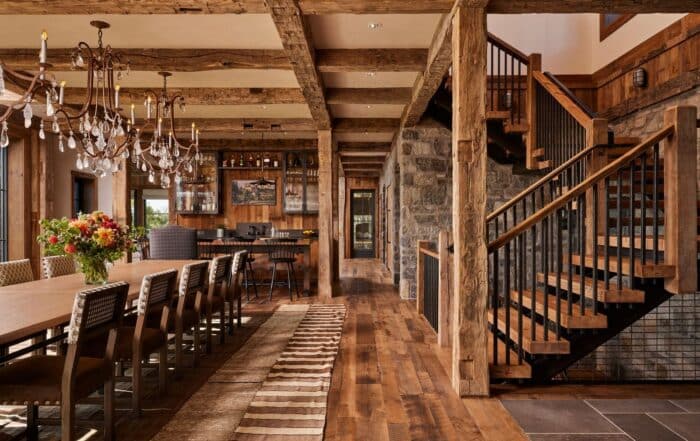
Reclaimed Wood Box Beams: The Complete Guide
Few details transform a room like a ceiling full of character, and reclaimed wood box beams are the fastest way to get there. A box beam gives you the look of a massive, hand-hewn timber overhead — the warmth, the patina, the century-old story — without the weight, cost, or […]