
Reclaimed Wood vs Engineered Wood Flooring: Which Is Better?
Reclaimed wood vs engineered wood flooring is one of the biggest decisions homeowners and custom builders make when they want the look of real wood underfoot. The short answer: engineered wood flooring is cheaper up front and handles moisture well, but reclaimed solid wood wins where it matters most over the life of a home — durability, refinishing, and character. At Manomin Resawn Timbers,
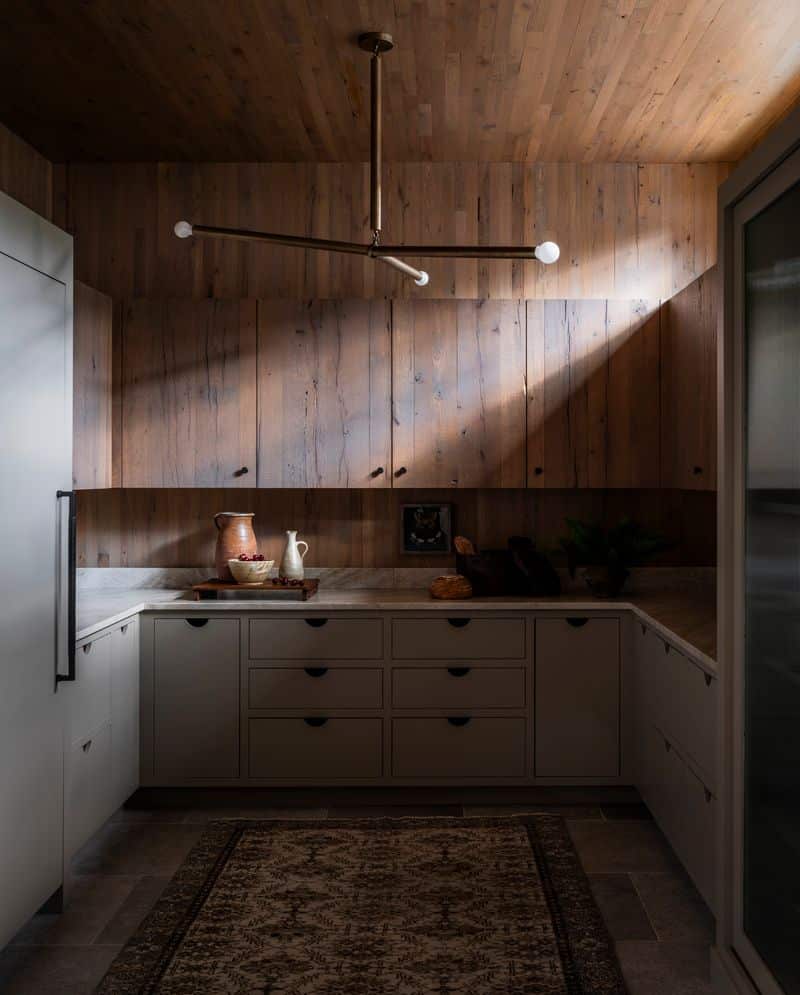
By Sarah Londerville | Updated September 14, 2026
Reclaimed wood vs engineered wood flooring is one of the biggest decisions homeowners and custom builders make when they want the look of real wood underfoot. The short answer: engineered wood flooring is cheaper up front and handles moisture well, but reclaimed solid wood wins where it matters most over the life of a home — durability, refinishing, and character. At Manomin Resawn Timbers, we source antique reclaimed wood and mill it into flooring in our own shop in Hugo, Minnesota, then supply it to custom home builders across the Twin Cities and the entire United States. This guide breaks down how the two compare, where each one makes sense, and why we believe reclaimed wood is the better long-term investment.
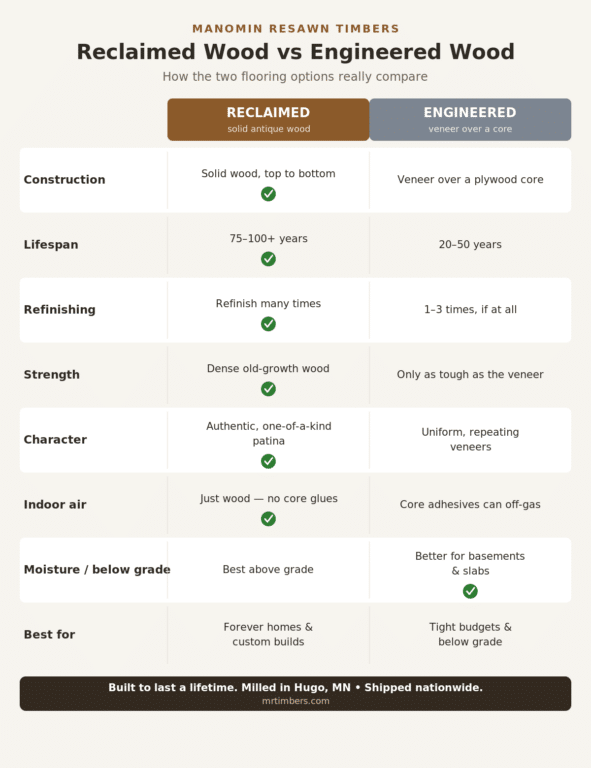
- Lifespan: solid reclaimed floors last 75–100+ years; engineered typically lasts 20–50.
- Refinishing: reclaimed can be sanded and refinished many times; engineered only 1–3 times, if at all.
- Character: old-growth reclaimed wood has depth and patina a thin veneer can't replicate.
Understanding Reclaimed and Engineered Wood Flooring
The difference between reclaimed wood and engineered wood flooring starts with how each one is built — and that construction drives almost every performance difference that follows.
What Reclaimed Wood Flooring Is
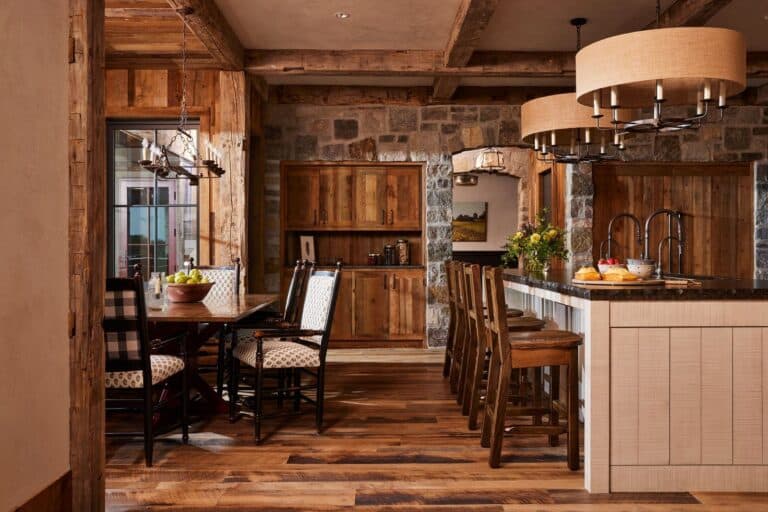
Reclaimed wood flooring is solid wood, top to bottom, milled from timber salvaged from old barns, factories, and warehouses. At Manomin, we hand-select that wood, remove every nail and bit of metal, kiln-dry it, and mill it into flooring in our Hugo, Minnesota shop. Because it's solid wood from a tree that grew slowly a century or more ago, it carries a density and character that new material simply doesn't have.
- Solid all the way through: one piece of real wood, not a veneer.
- Old-growth source: tight grain, high density, real patina.
- Milled in-house: de-nailed, kiln-dried, and profiled in Hugo, MN.
- Refinishable for life: can be sanded many times over decades.
What Engineered Wood Flooring Is
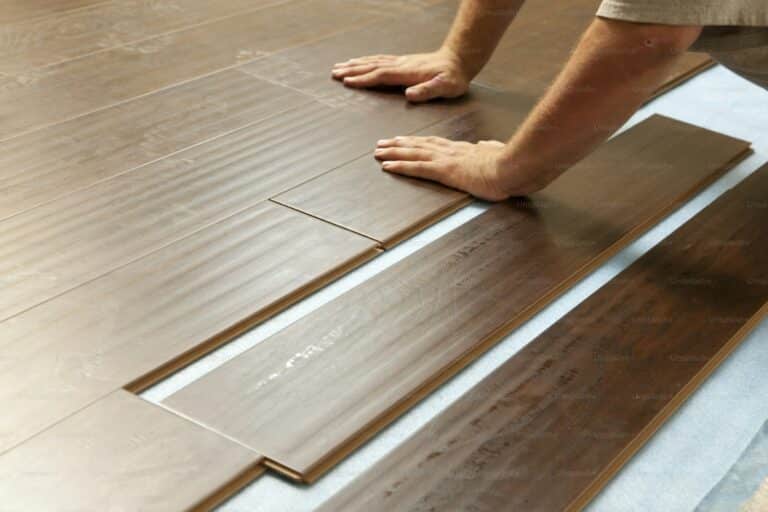
Engineered wood flooring is a thin layer of real wood — the wear layer, or veneer — bonded on top of a core made of cross-laminated plywood or high-density fiberboard. That engineered core is glued and pressed in alternating directions to make the board more stable against humidity. The surface is genuine wood, so a new engineered floor can look great; the trade-off is what's underneath and how little real wood sits on top.
- Veneer over a core: a thin wood wear layer on plywood or fiberboard.
- Cross-laminated: layers glued in alternating directions for stability.
- Thin wear layer: often just 0.6mm–4mm of real wood.
- Adhesive-dependent: the core is held together with glues and resins.
5 Head-to-Head Comparisons: Reclaimed Wood vs Engineered Wood Flooring
Five categories decide which floor is right for a given home. Here's how reclaimed solid wood and engineered wood flooring stack up in each.
1. Durability and Strength
Durability and strength favor reclaimed wood, because it's solid old-growth material rather than a thin veneer over a manufactured core. The slow-grown trees behind reclaimed flooring produced tight growth rings and dense, hard wood that often rates higher on the Janka hardness scale than today's fast-grown lumber. An engineered floor is only as durable as its wear layer — once that thin top is worn or gouged through, the plywood core shows and the board can't be saved.
- Reclaimed: solid, dense old-growth wood throughout.
- Engineered: durable only until the thin veneer wears through.
- Dents and gouges: reclaimed can be sanded out; engineered often can't.
- Heavy use: reclaimed holds up in high-traffic homes for generations.
2. Lifespan and Refinishing
Lifespan and refinishing are where reclaimed wood pulls decisively ahead. A solid reclaimed floor can last 75 to 100 years or more and be sanded and refinished many times, so it can be restored again and again as tastes and wear change. Engineered wood flooring typically lasts 20 to 50 years and can only be refinished one to three times — and floors with the thinnest veneers can't be refinished at all. For a home meant to last, that difference is enormous.
- Reclaimed lifespan: 75–100+ years with normal care.
- Engineered lifespan: roughly 20–50 years.
- Reclaimed refinishing: many times over the floor's life.
- Engineered refinishing: 1–3 times, sometimes never.
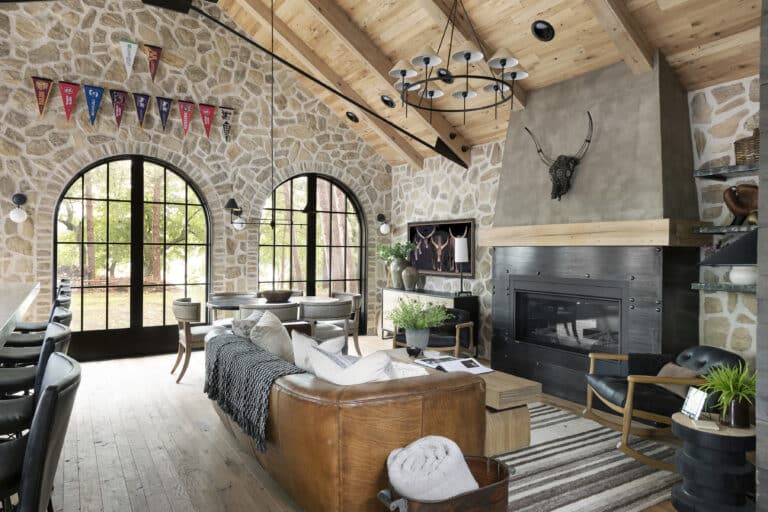
3. Look and Character
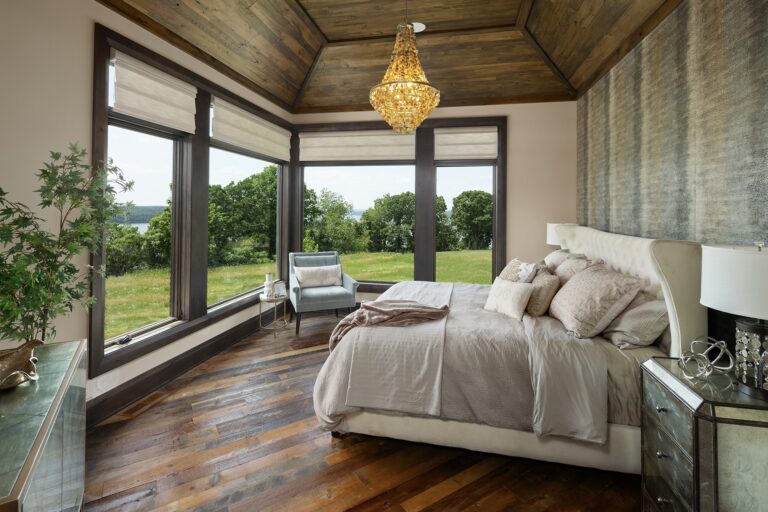
Look and character favor reclaimed wood, because you're getting genuine, one-of-a-kind old wood rather than a repeating factory product. Reclaimed boards carry saw marks, nail holes, mineral streaks, and a patina that only a century of use can create, and no two floors are the same. Engineered floors use thin veneers that often repeat across a room, and while a good one looks convincing when new, it can't develop or be restored to the same depth of character over time.
- Reclaimed: authentic patina and grain, unique board to board.
- Engineered: uniform veneers that can visibly repeat.
- Aging: reclaimed grows more beautiful; engineered wears down.
- Design fit: reclaimed suits both rustic and high-end modern homes.
4. Indoor Air and Materials
When it comes to what's actually in the floor, solid reclaimed wood is simply wood — no manufactured core and no adhesives holding layers together. Engineered flooring relies on glues and resins in its core, and lower-grade products can off-gas volatile organic compounds, including formaldehyde, into the home. Many quality engineered brands now meet strict low-emission standards, so this gap has narrowed, but if indoor air quality is a priority, a solid wood floor removes the question entirely.
- Reclaimed: solid wood, no core adhesives.
- Engineered: glues and resins that can off-gas in cheaper products.
- Standards: quality engineered brands meet low-emission (CARB2) rules.
- Peace of mind: solid wood avoids the concern altogether.
5. Moisture and Stability
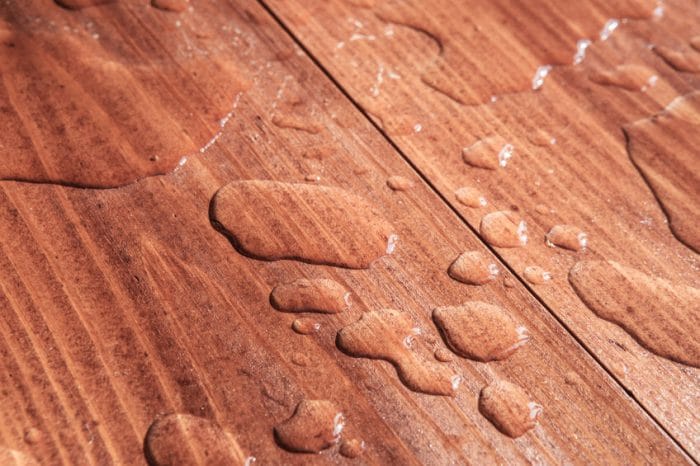
This is the one category where engineered wood flooring has a real edge, and it's worth being honest about. Its cross-laminated core resists expanding and contracting with humidity, which makes engineered a strong choice for basements, concrete slabs, and over radiant heat. Solid wood, including reclaimed, moves more with moisture — though because reclaimed is old-growth that has already expanded and contracted for a century and is kiln-dried, it's far more stable than new solid wood. In the right above-grade setting, reclaimed performs beautifully.
- Engineered: more stable in humidity and below grade.
- Reclaimed: solid wood moves more, but old-growth is already settled.
- Best for slabs/basements: engineered has the advantage.
- Best above grade: reclaimed is an excellent, stable choice.
Cost and Long-Term Value
Engineered wood flooring usually costs less up front, which is a real advantage on a tight budget. But the fuller picture is lifetime value. A reclaimed floor is a bigger investment on day one, yet because it lasts for generations and can be refinished again and again, its cost spread over the life of the home is often lower than replacing an engineered floor once or twice along the way. Reclaimed wood is also old-growth material you simply can't buy new — part of what you're paying for is scarcity and permanence.
- Upfront cost: engineered is typically cheaper.
- Lifetime cost: reclaimed can win by lasting far longer.
- Refinishing vs replacing: restore reclaimed instead of replacing it.
- Resale and character: real wood floors add lasting value.
Where Engineered Wood Flooring Still Makes Sense
Engineered wood flooring is the right call in a few specific situations, and a good supplier will tell you so. It's a smart choice for below-grade basements, installations directly over a concrete slab, homes with radiant floor heat, and projects where budget is the deciding factor. If you need a wood look in a high-moisture or below-grade space, engineered often makes more sense than solid wood — reclaimed included.
- Basements and other below-grade rooms.
- Installations over concrete slabs.
- Homes with radiant floor heating.
- Projects where upfront budget is the top priority.
Which Is Better for a Custom Home?
In the reclaimed wood vs engineered wood flooring decision for a custom home built to last, reclaimed solid wood is the better investment in almost every above-grade space. It delivers the strength of old-growth timber, the ability to be refinished for a lifetime, authentic character that can't be manufactured, and a floor with no core adhesives underfoot. Engineered wood flooring earns its place in basements and over slabs, but when the goal is a floor that will still be beautiful when the house changes hands, reclaimed wood is hard to beat. It's why so many of the custom builders we work with specify it by name.
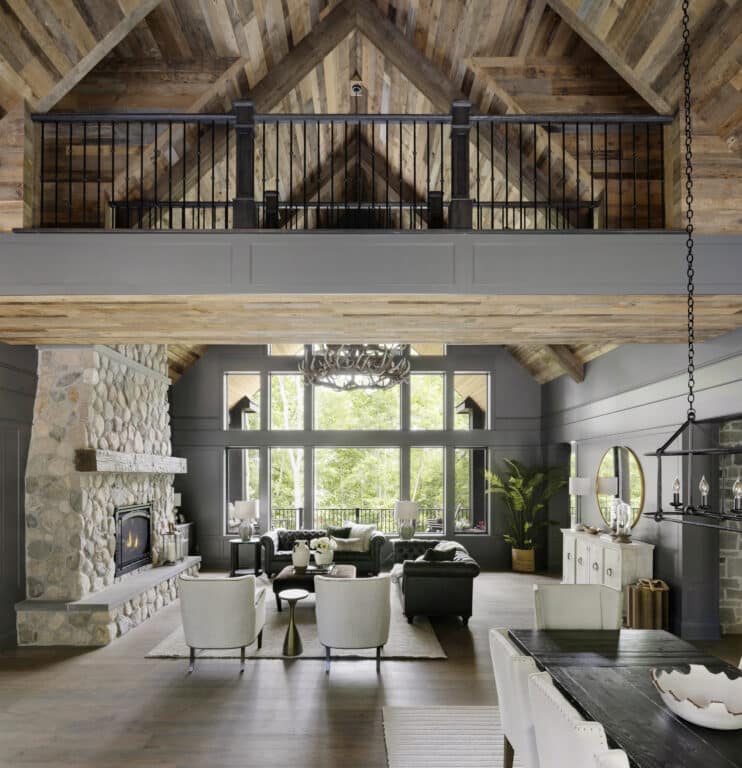
Artisan Home Tour + Moderno Homes - 21330 Dorothy Wy, Prior Lake, MN 55372
Reclaimed Wood Flooring From Manomin Resawn Timbers
Manomin Resawn Timbers sources reclaimed wood and mills it into flooring, paneling, box beams, timbers, and mantels in our shop in Hugo, Minnesota. We supply custom home builders, remodelers, and homeowners across the Twin Cities and throughout the United States, and we believe in these products for good reason — the look and the quality of old wood are things new material can't match. You can explore our reclaimed wood flooring, browse the full range of reclaimed wood types, or read our complete guide to reclaimed wood flooring to go deeper. When you're ready, email Sarah at sarah@mrtimbers.com or contact our team for a quote.
Frequently Asked Questions
Is reclaimed wood flooring better than engineered wood flooring?
For most above-grade spaces, yes. Reclaimed solid wood lasts far longer, can be refinished many times, is denser old-growth material, and has no core adhesives. Engineered wood flooring is better mainly for basements, concrete slabs, radiant heat, and tight budgets.
Can engineered wood flooring be refinished?
Sometimes, but only lightly. Engineered floors can usually be refinished one to three times depending on the wear layer, and thin-veneer products can't be refinished at all. Solid reclaimed wood can be sanded and refinished many times over its life.
How long does reclaimed wood flooring last compared to engineered?
A solid reclaimed floor can last 75 to 100 years or more, while engineered wood flooring typically lasts about 20 to 50 years before it needs replacing.
Does engineered wood flooring off-gas?
Lower-grade engineered flooring can off-gas VOCs, including formaldehyde, from the glues in its core, though many quality brands now meet strict low-emission standards. Solid reclaimed wood has no manufactured core, so it avoids the concern entirely.
Is engineered or solid wood flooring better for basements?
Engineered wood flooring is usually the better choice below grade or over a concrete slab, because its cross-laminated core resists the moisture and humidity swings that can affect solid wood.
Where can I buy reclaimed wood flooring?
Manomin Resawn Timbers mills reclaimed wood flooring in Hugo, Minnesota, and supplies custom home builders and homeowners across the Twin Cities and nationwide. Email Sarah at sarah@mrtimbers.com for a quote.
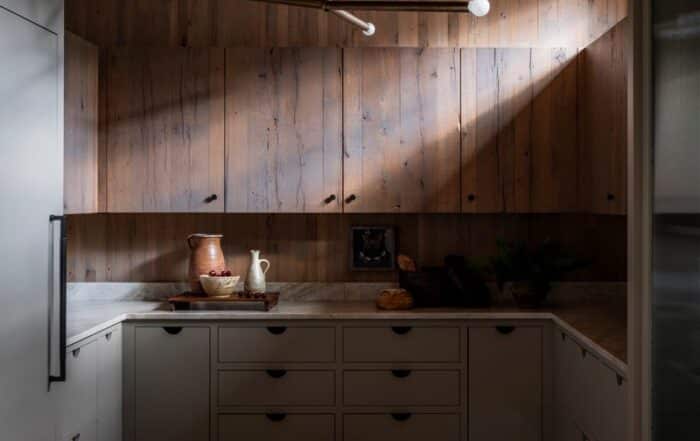
Reclaimed Wood vs Engineered Wood Flooring: Which Is Better?
Reclaimed wood vs engineered wood flooring is one of the biggest decisions homeowners and custom builders make when they want the look of real wood underfoot. The short answer: engineered wood flooring is cheaper up front and handles moisture well, but reclaimed solid wood wins where it matters most over […]
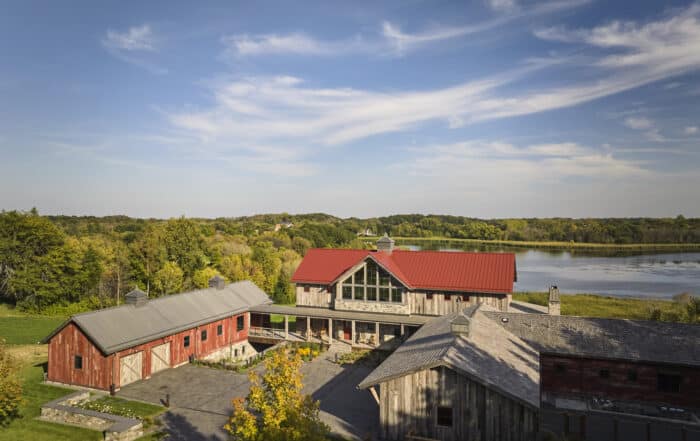
Project Highlight: “Hand Hewn” — A Minnesota Lake Home and the Team Behind It
Every so often a project comes along that reminds you why you fell in love with reclaimed wood in the first place. “Hand Hewn” is one of those. Set on a quiet lake in Minnesota, it’s a barnhouse that walks the line between past and present — Minnesota vernacular farmstead […]