
Wide Plank Reclaimed Wood Flooring: Why Bigger Boards Can Be Better
If you want a floor with real presence, wide plank reclaimed wood flooring is hard to beat. Wide boards show off the grain, color, and history of antique wood far better than narrow strips can, and because the wood is reclaimed old-growth, you get that look with genuine durability behind it. Here’s what wide plank actually means, why reclaimed wood is the right material
By Sarah Londerville | Updated July 13, 2026
If you want a floor with real presence, wide plank reclaimed wood flooring is hard to beat. Wide boards show off the grain, color, and history of antique wood far better than narrow strips can, and because the wood is reclaimed old-growth, you get that look with genuine durability behind it. Here's what wide plank actually means, why reclaimed wood is the right material for it, and the two woods we mill in wide plank at Manomin.
What Wide Plank Actually Means
There's some confusion around this, so it's worth being clear. Most wood flooring is tongue and groove, milled 3 to 5 inches wide. You can push tongue and groove out to around 8 inches, but that's still tongue and groove — not what we'd call wide plank.
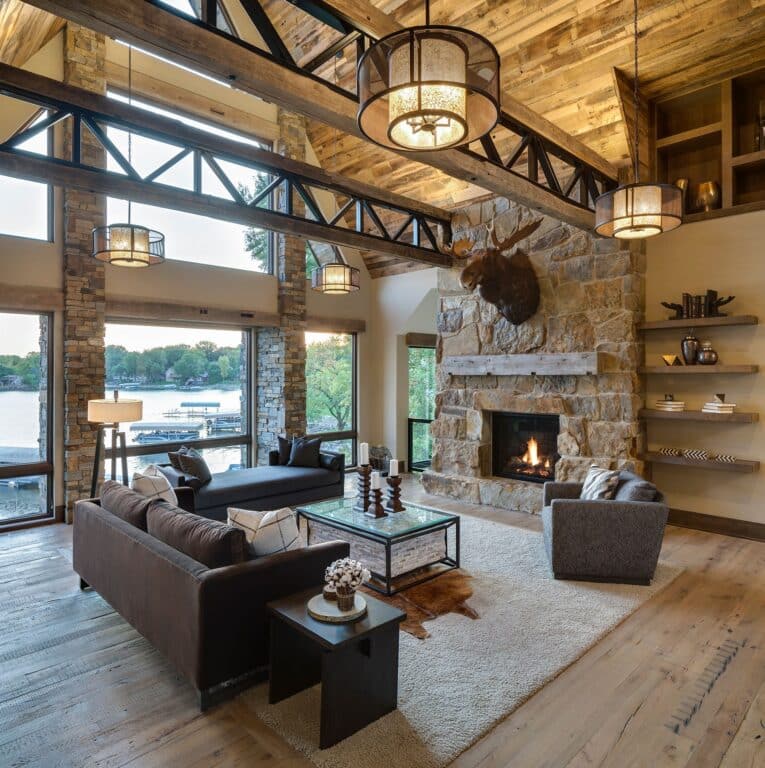
When we say wide plank, we mean something specific: boards 8 to 12 inches wide, with no tongue and groove. They're butted up edge to edge and face-nailed, the way plank floors were laid for hundreds of years. It's a different look and a different installation, and it's the most authentic way to put down a reclaimed floor.
Why Reclaimed Wood Is the Right Material
Truly wide boards are hard to find in new lumber, because today's fast-grown trees rarely get big enough to yield them. The barns, factories, and warehouses we reclaim from were built with full-dimension old-growth timber — wood that simply isn't harvested anymore.
That makes reclaimed material one of the only real sources of 8- to 12-inch boards, and it's why wide plank reclaimed wood flooring can give you widths that would be scarce or very expensive in new wood.
How It Holds Up
Wide boards move more than narrow ones, so stability matters — and this is where reclaimed wood does well. After a century of expanding and contracting through the seasons, and after our kiln-drying, the wood has settled about as much as wood ever will.
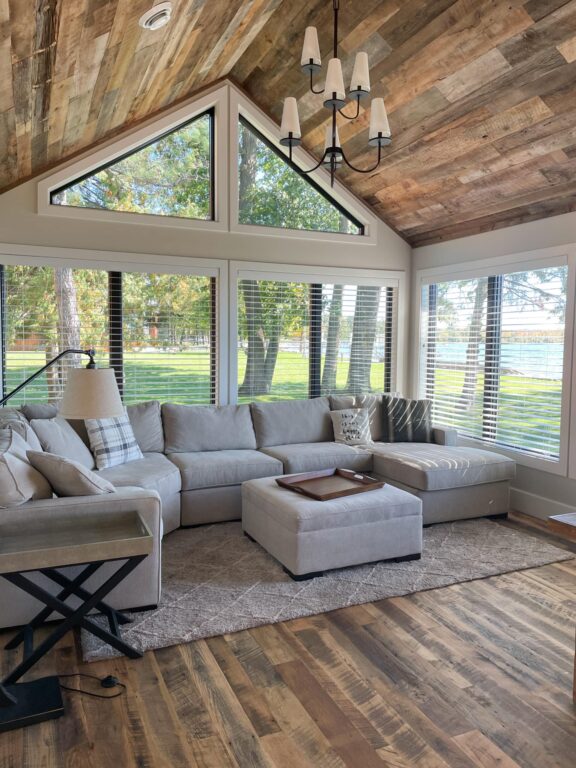
A properly milled reclaimed wide plank floor holds up better than a wide floor made from newer, greener lumber. Face-nailing helps too: fastening each board down keeps a wide board secure, and it's part of the traditional look.
How It Changes a Room
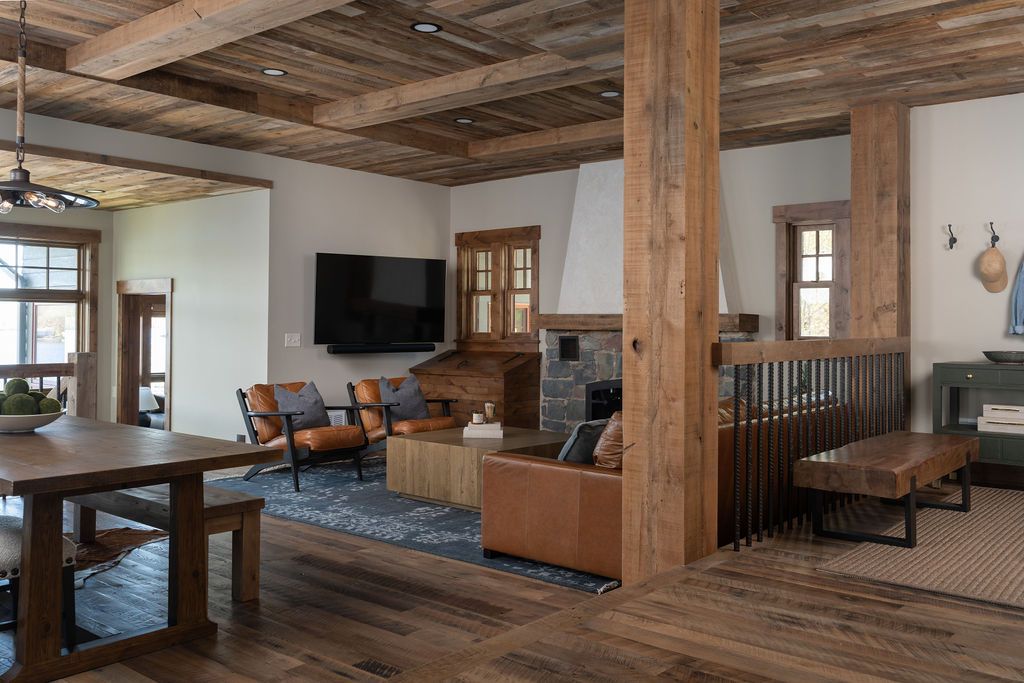
Wide planks change how a room feels. With fewer seams, your eye moves across a long, uninterrupted run of grain and patina, and the floor reads as calmer and more grounded.
It works in a farmhouse and it works in a clean, modern house, where an antique floor against simple architecture is a great combination. Because reclaimed wood already has plenty of natural variation, wide boards give that character room to show instead of breaking it into small pieces.
The Two Woods We Mill in Wide Plank
At Manomin, wide plank is a short, deliberate list, and that's on purpose. The wood we produce most often in wide plank is reclaimed Douglas Fir. It's warm, with honey-to-amber tones and straight grain, and it once framed the factories and warehouses of the industrial era — so it comes in the long, wide dimensions that plank floors need. It brings warmth to a room and finishes nicely, which makes it our go-to for wide plank reclaimed wood flooring.
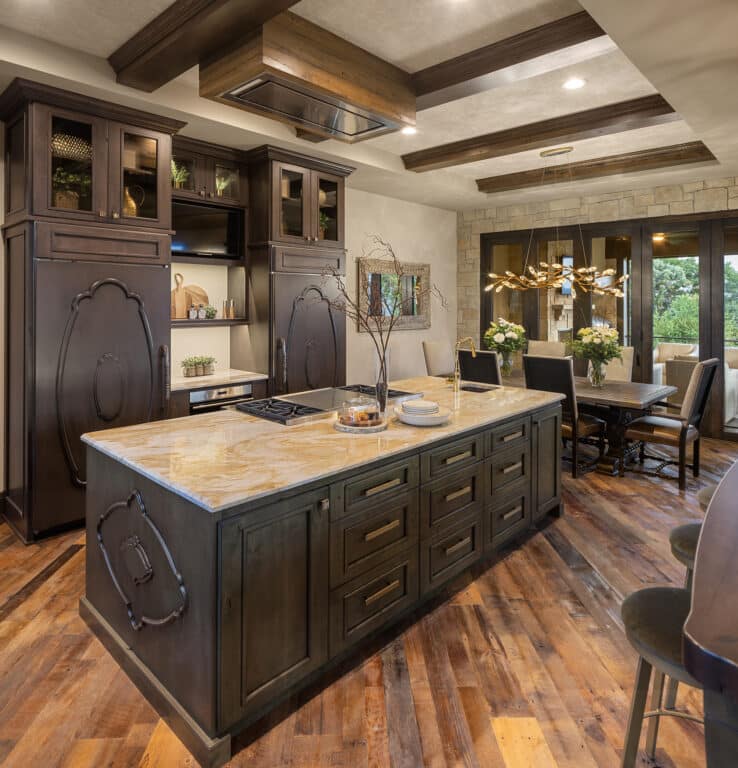
The only other wood we mill in wide plank is Weathered Antique. It's the more rugged of the two: grey and silvered tones, weathered texture, and the honest marks of decades spent outdoors. So you can go warm and refined with Douglas Fir, or grey and full of character with Weathered Antique. Both are milled to true 8- to 12-inch widths and meant to be butted and face-nailed. You can see them next to our other species on the reclaimed wood types page.
Where Wide Plank Works Best
Wide plank reclaimed wood flooring works especially well in bigger, open spaces — great rooms, kitchens, and open-plan living areas — where the scale of the boards suits the size of the room. In a large room, narrow strip flooring can look busy, while wide boards look intentional.
Wide planks can also make a smaller room feel larger, since fewer seams read as more space. Run through a whole house, a wide plank floor gives you a consistent look from room to room.
Getting the Details Right
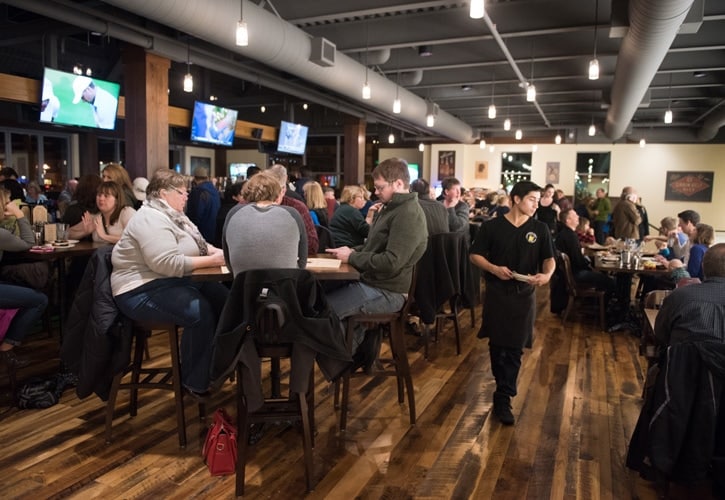
A few details are worth thinking about before you order. Longer boards make the wide-plank look even stronger, so ask about length as well as width. Think about color: Douglas Fir is warmer and more uniform, while Weathered Antique is greyer and higher character. And keep the finish simple — a matte or natural finish lets the wood look like what it is, while a high-gloss finish tends to work against the character you're paying for. We can help you sort out all three for your project.
Living With a Wide Plank Floor
A wide plank reclaimed floor is easy to live with. Keep your indoor humidity fairly steady so the boards stay put through the seasons, sweep or vacuum the grit that can scratch any wood floor, and clean it with a product made for hardwood rather than a lot of water. Because it's dense old-growth wood, it stands up to daily use, and because it's solid, you can refinish it down the road if you ever want to.
Sourcing and Installing Wide Plank
Because wide boards depend on larger reclaimed timber, availability changes with what we're able to source, so it helps to plan ahead and ask about both width and length. Wide plank reclaimed wood flooring costs a bit more than narrow strip flooring for the same reason; our reclaimed wood flooring cost guide explains what goes into the price.
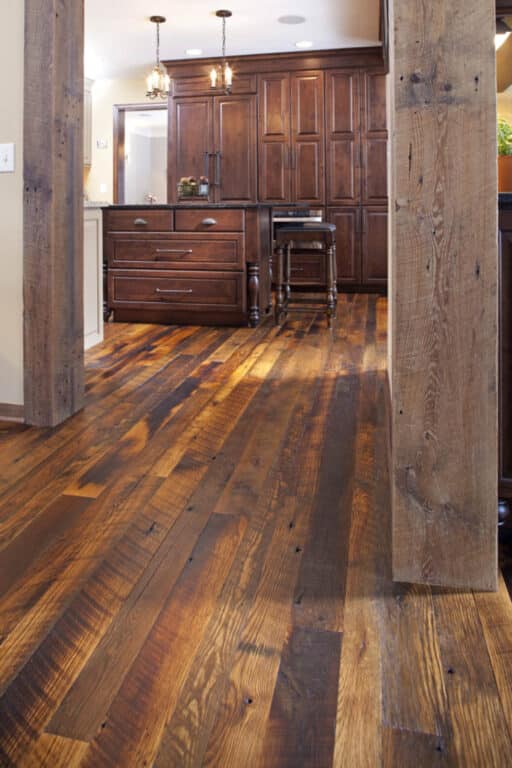
When it's time to install, keep in mind that true wide plank is butted and face-nailed rather than tongue and groove — our installation guide walks through the steps. To check what Douglas Fir and Weathered Antique wide plank we have available, email Sarah at sarah@mrtimbers.com or contact our team.
Frequently Asked Questions
What is wide plank reclaimed wood flooring?
It's reclaimed flooring milled into wide boards. At Manomin, that means 8 to 12 inches wide with no tongue and groove — the boards are butted edge to edge and face-nailed, the traditional way plank floors were laid.
What's the difference between wide plank and regular flooring?
Most wood flooring is tongue and groove, milled 3 to 5 inches wide (you can go up to about 8 inches and it's still tongue and groove). Wide plank is wider, 8 to 12 inches, with no tongue and groove; the boards are butted together and face-nailed.
What species does Manomin offer in wide plank?
We produce wide plank most often in reclaimed Douglas Fir, with Weathered Antique the only other wood we mill wide. Douglas Fir is warm and refined; Weathered Antique is grey, weathered, and high-character.
Why is reclaimed wood good for wide plank floors?
Wide 8- to 12-inch boards require large, old-growth timber that today's fast-grown trees rarely yield. Reclaimed barns and factories were built with full-dimension old-growth wood, making reclaimed material one of the best sources of genuinely wide boards.
What widths are available?
Our wide plank runs 8 to 12 inches; standard tongue-and-groove flooring is 3 to 5 inches. Availability changes with what we reclaim, so email Sarah at sarah@mrtimbers.com to check current Douglas Fir and Weathered Antique wide plank stock.
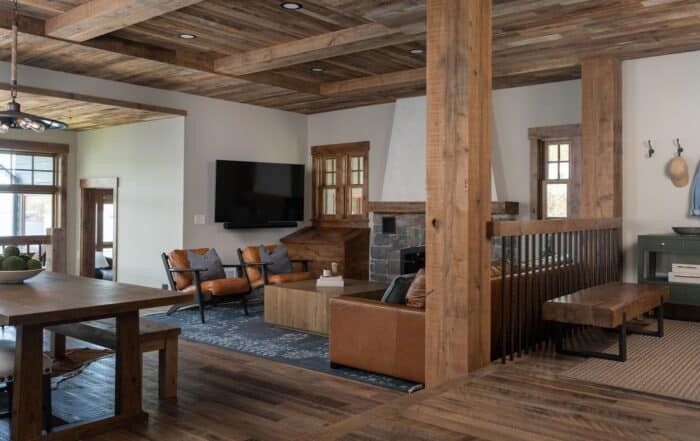
Wide Plank Reclaimed Wood Flooring: Why Bigger Boards Can Be Better
If you want a floor with real presence, wide plank reclaimed wood flooring is hard to beat. Wide boards show off the grain, color, and history of antique wood far better than narrow strips can, and because the wood is reclaimed old-growth, you get that look with genuine durability behind […]
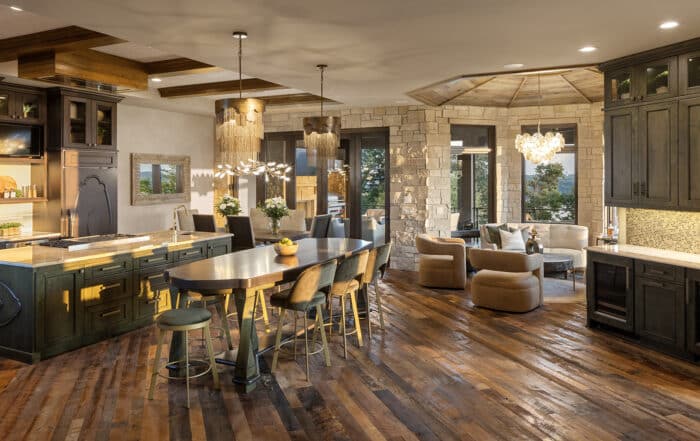
Reclaimed Wood Flooring: A Floor With a Story to Tell
There’s a particular hush that falls over a room the first time someone steps onto a reclaimed wood floor. They slow down. They look at their feet. Sometimes they crouch to run a hand across a board that was milled from a beam that stood in a Minnesota barn through […]