
5 Elegant Ways Global Design Is Shaped by Wood
Wood is one of the oldest and most universal building materials on the planet; From the mossy-green countryside of Normandy to the minimalist interiors of Kyoto, cultures around the world have long relied on timber to express their deepest architectural values. Whether it’s the half-timbered facades of European style homes or the restrained beauty of Japanese decor, wood has always been the material that
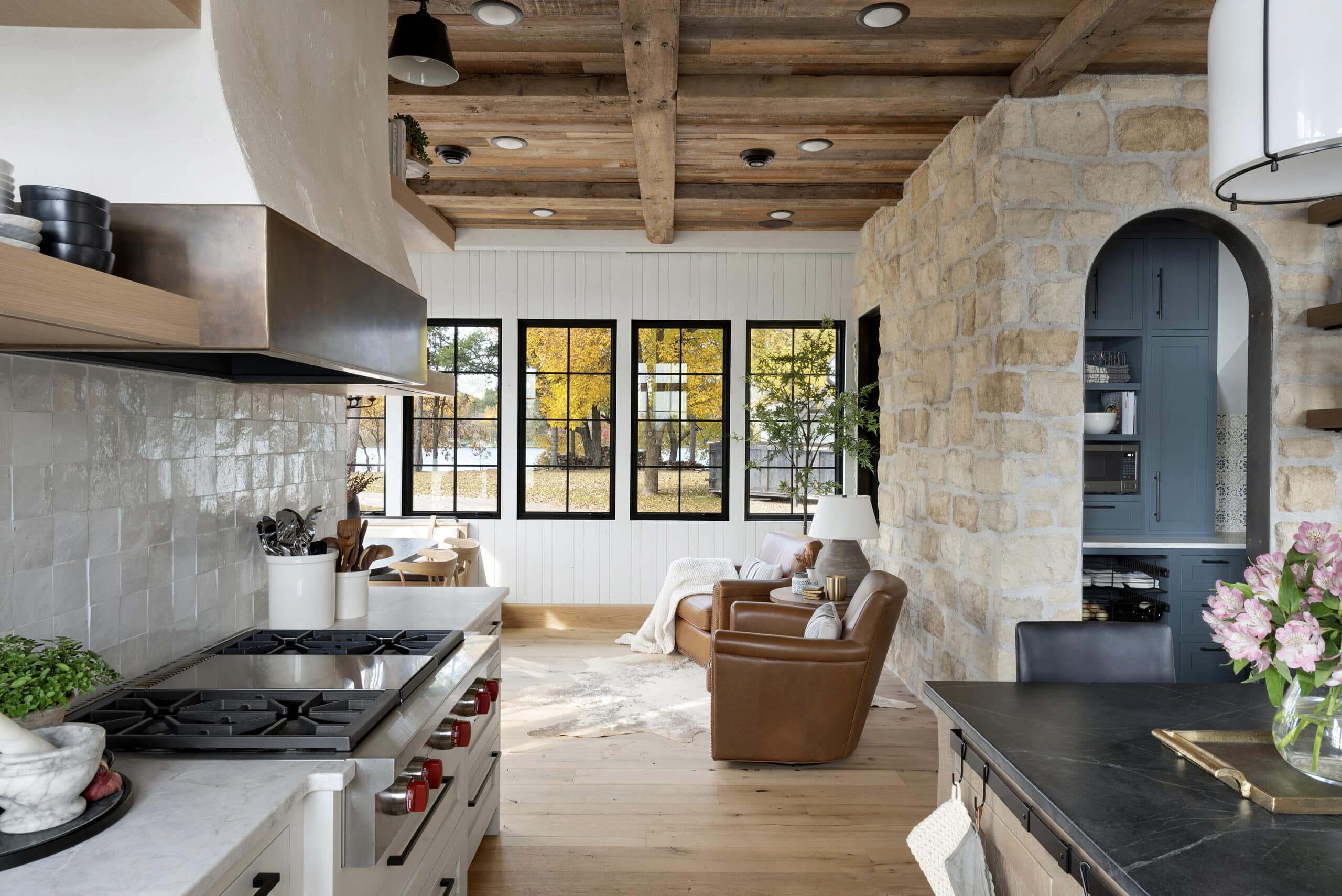
By Sarah Londerville | Updated May 13, 2026
Wood is one of the oldest and most universal building materials on the planet; From the mossy-green countryside of Normandy to the minimalist interiors of Kyoto, cultures around the world have long relied on timber to express their deepest architectural values. Whether it's the half-timbered facades of European style homes or the restrained beauty of Japanese decor, wood has always been the material that bridges the practical and the poetic.
At Manomin Resawn Timbers, we believe that reclaimed wood carries all of this accumulated wisdom in its grain. When you bring a piece of 19th-century barn timber into your home, you're not just adding character, you're tapping into a global design language that has been refined over centuries. Here are five unique ways that wood has shaped global design traditions, and what that means for your next project in Minnesota.
1. The Warm Bones of European Style Homes
When most people picture European style houses, they think of stone, plaster, and ornate ironwork. But look closer, and wood is almost always the structural and decorative heart of the design. In France and Germany, exposed timber framing, known as colombage or Fachwerk, creates the iconic grid of dark wooden beams set against white stucco walls. In Scandinavia, entire homes are built from logs, painted in deep earth tones that help them blend into dense pine forests.
What makes European style homes so enduringly attractive is how timber creates a sense of permanence and craftsmanship. These buildings were built to last generations, and the wood used in them often did exactly that. Today, reclaimed Douglas Fir and antique white oak, two species common in Manomin's product line, can bring that same old-world gravitas to a new build or remodel in Minnesota. Box beams and wide-plank flooring are two of the easiest ways to channel European authenticity here in the Twin Cities.
2. Japanese Design and the Art of Honest Materials
Few design traditions treat wood with as much reverence as Japanese design. Rooted in the philosophy of wabi-sabi, the beauty of imperfection and transience, Japanese architecture has always emphasized natural materials in their most honest form. Unfinished or lightly oiled timber, visible joinery, and wood-grain ceilings are central to the aesthetic. The Japanese concept of ma (negative space) also relies on the warmth of wood to keep sparse rooms from feeling cold or sterile.
This philosophy translates beautifully to modern American interiors. Japanese decor has surged in popularity precisely because it offers a counterpoint to the busy, overstuffed spaces that have dominated design for decades. Our Minnesota reclaimed wood, with its knots, nail holes, and weathered patina, is perfectly suited to this sensibility. It doesn't try to be anything other than what it is, which is exactly the point. A reclaimed wood accent wall or ceiling panel can instantly give a room that grounded, contemplative quality that Japanese decor is known for.
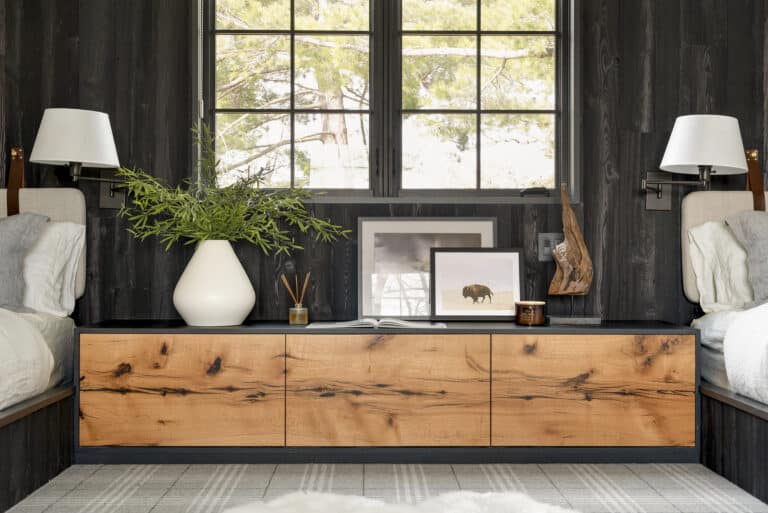
Tays & Co. Design Studios
3. The Heart of American Farmhouse Design
While the farmhouse aesthetic is distinctly American, it shares deep roots with global design traditions, particularly the working vernacular architecture of rural England and Germany. Exposed ceiling beams, wide-plank pine floors, and shiplap walls are all borrowed and adapted from European traditions that early settlers brought with them. What America added was scale, practicality, and the sheer abundance of raw timber from the continent's vast forests.
Today's farmhouse revival is really a rediscovery of these global design roots. Reclaimed barn wood sits at the center of the trend for good reason: it's the most authentic version of the material. Original-growth timber from century-old barns is denser and more characterful than anything available new. At Manomin, our Antique Skip Oak, milled from a mix of red and white barnwood salvaged from structures across the United States, is a perfect example of how reclaimed wood captures that legacy for homes in Minnesota.
4. The Industrial Edge of Mid-Century Modern
Mid-century modern design, popularized by post-war American and Scandinavian designers, embraced wood as a material that could be both warm and sleek. Teak sideboards, walnut paneling, and birch plywood furniture defined an era of optimistic, functional design that resisted the ornateness of what came before. At its best, mid-century modern was global design in action: it drew from Bauhaus principles, Japanese minimalism, and American manufacturing in equal measure.
Reclaimed Douglas Fir and industrial-era hardwoods are a natural fit for this aesthetic. Salvaged from early 20th-century warehouses and factories, the very buildings that symbolized the industrial ambitions of the era, these timbers carry a history that gives mid-century inspired spaces an added layer of authenticity. A reclaimed wood floor under a clean-lined, low-profile furniture arrangement is a combination that feels both contemporary and deeply rooted in Twin Cities interiors.
5. Biophilic Design - A Global Design Movement with Ancient Roots
Perhaps the most significant global design trend of the 21st century is biophilic design, the intentional integration of natural materials, light, and living elements into built environments. The concept is rooted in a simple insight that researchers across cultures have confirmed: humans feel better when they are surrounded by nature. Wood is the biophilic design's most versatile tool. It brings warmth, texture, and the visual rhythm of natural grain into spaces that would otherwise feel inert.
From Singapore's PARKROYAL hotel with its sky gardens and timber terraces, to the timber-clad tech offices of Scandinavia, biophilic design is being embraced globally by architects, designers, and homeowners. Reclaimed wood is an especially compelling choice within this movement because it adds ecological integrity to the aesthetic. Using salvaged timber rather than newly harvested wood means fewer trees cut down and a smaller overall footprint, a value that resonates across all of these global design traditions and with homeowners throughout Minnesota.
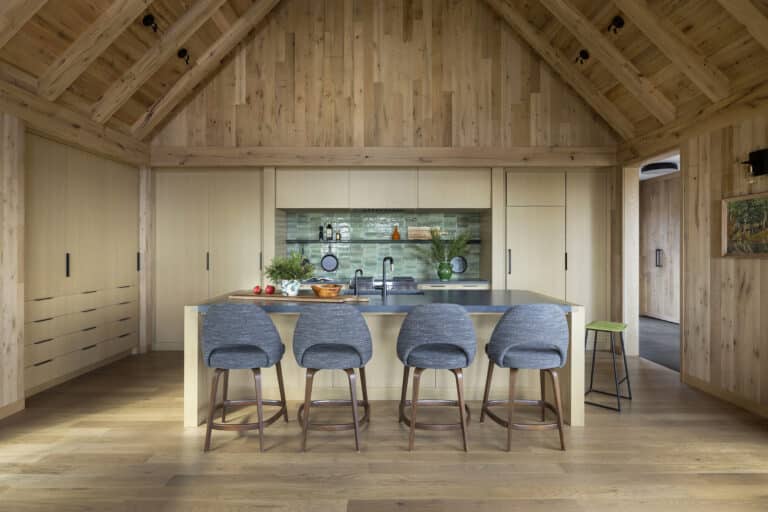
Lucy Interior Design + Charlie & Co. + L. Cramer Builders + Remodelers
Bring the World's Design Wisdom Into Your Home
Wood has shaped global design for millennia because it is honest, beautiful, and endlessly adaptable. Whether you're drawn to the warm structure of European style houses, the meditative quiet of Japanese decor, or the biophilic warmth of modern sustainable design, reclaimed wood is the material that can get you there.
If these options you’ve been seeing are inspiring a renewed interest in your next space, we’re your team. We’re the ones who can provide the wood that can make your plans come to life. At Manomin Resawn Timbers, every board we sell has already lived a life. It has weathered seasons, supported roofs, and outlasted the buildings it once belonged to. That history is what makes it irreplaceable, and what makes it such a powerful tool for anyone who wants to build something that lasts. Visit our showroom in Hugo, MN, or contact us today to explore our full product line of reclaimed wood flooring, paneling, box beams, mantels, and more.
In all avenues, we believe the process matters just as much as the final product; see more of that story here.
5 Elegant Ways Global Design Is Shaped by Wood
Wood is one of the oldest and most universal building materials on the planet; From the mossy-green countryside of Normandy to the minimalist interiors of Kyoto, cultures around the world have long relied on timber to express their deepest architectural values. Whether it’s the half-timbered facades of European […]
Reclaimed Wood Mantels: Choosing the Right Species, Size, and Style
A fireplace has always been more than just a source of warmth; it’s a natural gathering place, a focal point, and often the heart of a home. And when it comes to defining that space, few elements make a bigger impact than the right wood fireplace mantel.