How to Remove a Wood Stain: 5 Simple Methods That Actually Work
Wood surfaces are meant to be lived with. Over time, spills, moisture, and everyday use can leave marks that distract from the beauty of the grain beneath. Whether you’re dealing with a water ring on a mantel, discoloration on a floor, or an old finish that didn’t take evenly, being able to remove stain from wood can make all the difference. The good news
By Sarah Londerville | Updated December 23, 2025
Wood surfaces are meant to be lived with. Over time, spills, moisture, and everyday use can leave marks that distract from the beauty of the grain beneath. Whether you’re dealing with a water ring on a mantel, discoloration on a floor, or an old finish that didn’t take evenly, being able to remove stain from wood can make all the difference.
The good news is that many stains, especially water stains, can be treated without replacing the material. Below, we’ll walk through five reliable ways to remove wood stain, starting with the gentlest methods and working up to deeper restoration techniques. Each approach is designed to preserve the character of the wood while helping it look its best again.
Before You Start: Identify the Wood and the Finish
Before choosing a method, it’s important to understand what you’re working with. Different stains respond differently depending on the surface.
Ask yourself:
- Is the stain sitting in the finish, or has it penetrated into the wood?
- Is the surface sealed, unfinished, or lightly oiled?
- Is the material standard lumber or something more distinctive, like reclaimed wood paneling used on walls or ceilings?
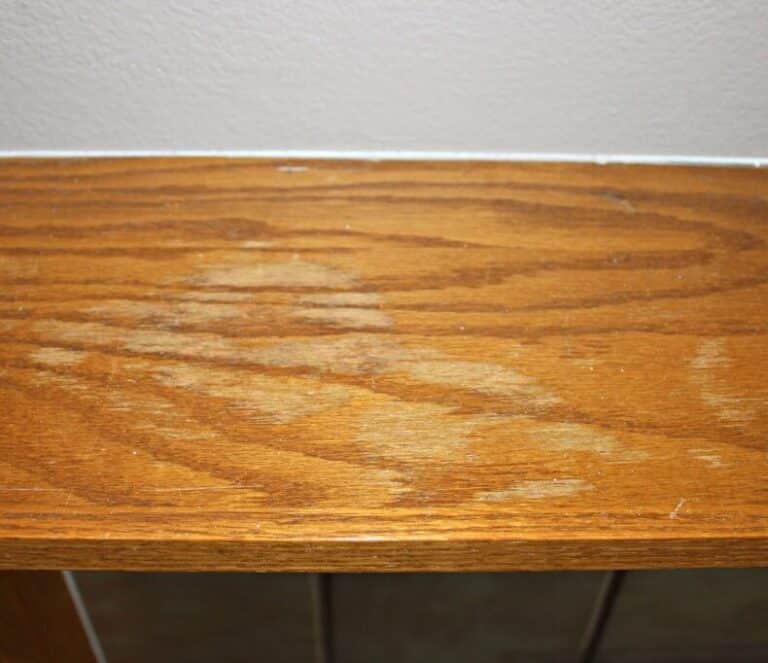
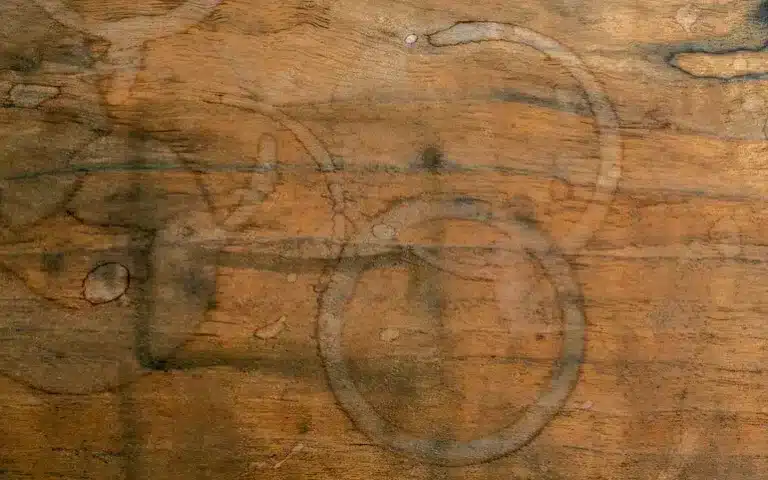
White or cloudy marks usually indicate moisture trapped in the finish, while darker stains suggest the water or spill has soaked into the wood fibers themselves.
Method 1: Using Gentle Heat to Remove Stain from Wood
Best for: White rings and cloudy marks Stain type: Moisture in the finish
If you’re specifically looking for how to remove water stains from wood, heat is often the safest place to start.
White rings commonly appear on tabletops, shelving, and reclaimed wood fireplace mantels, where warm air and humidity fluctuations are frequent.
How it works
Gentle heat helps evaporate moisture trapped beneath the surface finish before it causes permanent discoloration.
How to do it
- Place a clean cotton cloth over the stain.
- Use an iron on low heat (no steam) or a hair dryer on medium.
- Apply heat briefly, checking every few seconds.
- Stop as soon as the mark begins to fade.
This method is effective and low risk when done patiently.
Method 2: Baking Soda for Light Surface Stains
Best for: Shallow stains and mild discoloration Stain type: Surface-level marks
When trying to remove a stain from wood without using chemicals, baking soda is a reliable option.
Why it works
Baking soda acts as a mild abrasive, lifting discoloration without cutting deeply into the finish.
How to do it
- Mix baking soda with a small amount of water to form a paste.
- Rub gently over the stain using a soft cloth, following the grain.
- Wipe clean with a damp cloth and dry thoroughly.
This method works well on furniture, shelving, and decorative wood surfaces.
Method 3: Vinegar and Oil for Blending and Conditioning
Best for: Water rings and faint stains Stain type: Finish-level discoloration
This method doesn’t just help remove a wood stain; it also improves the surrounding surface so the repair blends naturally.
How it works
Vinegar helps break down the stain, while oil conditions the wood and restores depth to the grain.
How to do it
- Mix equal parts white vinegar and olive oil.
- Apply with a soft cloth, rubbing in the direction of the grain.
- Buff with a clean cloth until the surface looks even.
This approach is ideal for visible areas where maintaining a natural finish matters.
Method 4: Oxalic Acid for Dark or Set-In Stains
Best for: Dark water stains and iron marks Stain type: Deep penetration into the wood
When stains turn dark brown or black, they’ve usually soaked into the wood itself. Oxalic acid is one of the most effective solutions for how to remove wood stain at this level.
Where this is most useful
Dark staining is common on reclaimed wood flooring, especially in high-traffic areas or near entryways where moisture exposure is repeated.
How to do it
- Mix oxalic acid crystals with warm water according to instructions.
- Apply to the stained area using a brush.
- Allow the stain to lighten, then neutralize and rinse thoroughly.
- Let the wood dry completely before refinishing.
This method restores color without removing excessive material.
Method 5: Light Sanding for Stubborn Stains
Best for: Deep stains or uneven finish absorption Stain type: Embedded discoloration
Sometimes, the most effective solution when you remove stain from wood is to remove the affected layer entirely
How it works
Light sanding removes stained fibers and creates a clean surface for refinishing.
How to do it
- Use fine-grit sandpaper (220 grit or higher).
- Sand lightly in the direction of the grain.
- Blend outward to avoid visible transitions.
- Clean thoroughly before applying a new finish.
This approach is especially useful when correcting blotchy stain jobs or restoring older surfaces.
Working with Reclaimed Wood: What to Keep in Mind
Reclaimed materials bring history, texture, and variation that new wood simply can’t replicate. It’s common to see color variation and old watermarks in reclaimed wood beams and timbers, especially those salvaged from barns or industrial buildings.
Not every stain needs to be removed completely. In many cases, softening or blending a mark preserves the authenticity of the material while improving its overall appearance.
When Restoration Isn’t the Right Answer
If staining is widespread or the wood has been compromised structurally, restoration may not be the best long-term solution. In those cases, starting fresh with custom reclaimed wood allows you to achieve the look you want while still honoring the material’s history.
Final Thoughts
Learning how to remove water stains from wood gives you more control over how your space evolves. From simple water rings to deep-set discoloration, the right method can restore wood without stripping away its character. But it goes beyond water; you don't ever need to ask how to remove wood stain again with the tips outlined above.
Whether you’re restoring an existing surface or starting fresh, Manomin Resawn Timbers works one-on-one with homeowners, designers, and builders to find reclaimed wood that fits your space, style, and timeline. Explore our offerings, see our showroom, or reach out to talk through your project.
The Best Wood Flooring: 5 Reasons to Choose Reclaimed Wood
There’s a certain feeling you get when you walk into a home that instantly feels warm, grounded, and real. Not staged. Not overly polished. Just right. Often, that feeling starts underfoot.
Reclaimed wood flooring has a way of making a space feel lived-in from day one, […]